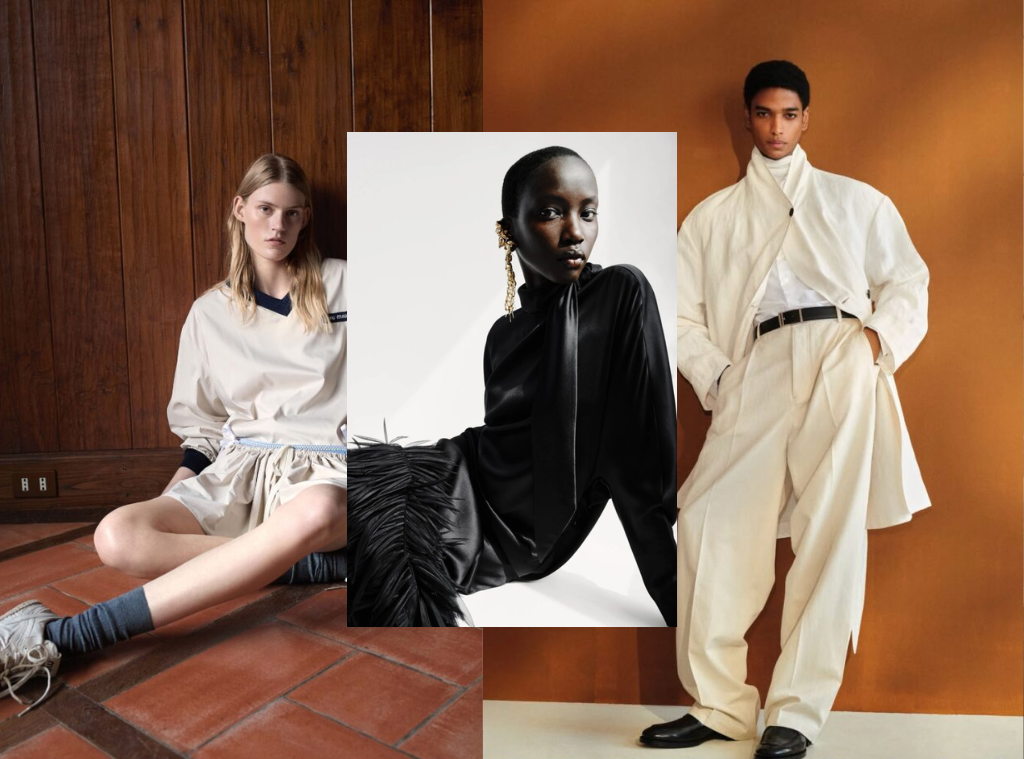
Menswear is no longer waiting quietly in the background. For Spring 2027, it has moved into the center of the cultural conversation with heat, precision, softness, theatricality, and a new kind of visual confidence. Across Florence, Milan, and Paris, the season is not simply presenting clothes. It is asking a much bigger question: what does modern masculinity want to look like now?
The answer is not singular. It is romantic in Florence, disciplined in Milan, cinematic in Paris. It is found in Simone Rocha’s tenderness, Ralph Lauren’s American mythology, Dolce & Gabbana’s theatrical excess, Prada’s sharp reduction, Dior Homme’s aristocratic after-party mood, and Louis Vuitton’s surf-inflected luxury universe. Spring 2027 menswear is not one story. It is a map of many men.
The season began with Florence, where Pitti Uomo once again operated as menswear’s great ritual of craft, commerce, and discovery. Pitti has always understood the industry behind the dream: the buyers, the fabrics, the makers, the quiet elegance of clothes before they become images. But this season, Florence carried something more emotional with Simone Rocha, who presented her first standalone menswear collection as guest designer.
Rocha’s menswear did not try to imitate traditional masculine codes. It softened them, disturbed them, and made them strangely poetic. There were romantic gestures, delicate fabrications, ruffled details, broderie anglaise, rugby references, and the kind of tenderness that feels radical precisely because menswear has spent so long pretending not to need it. Her proposition was not about making men look fragile. It was about making masculinity feel more layered.
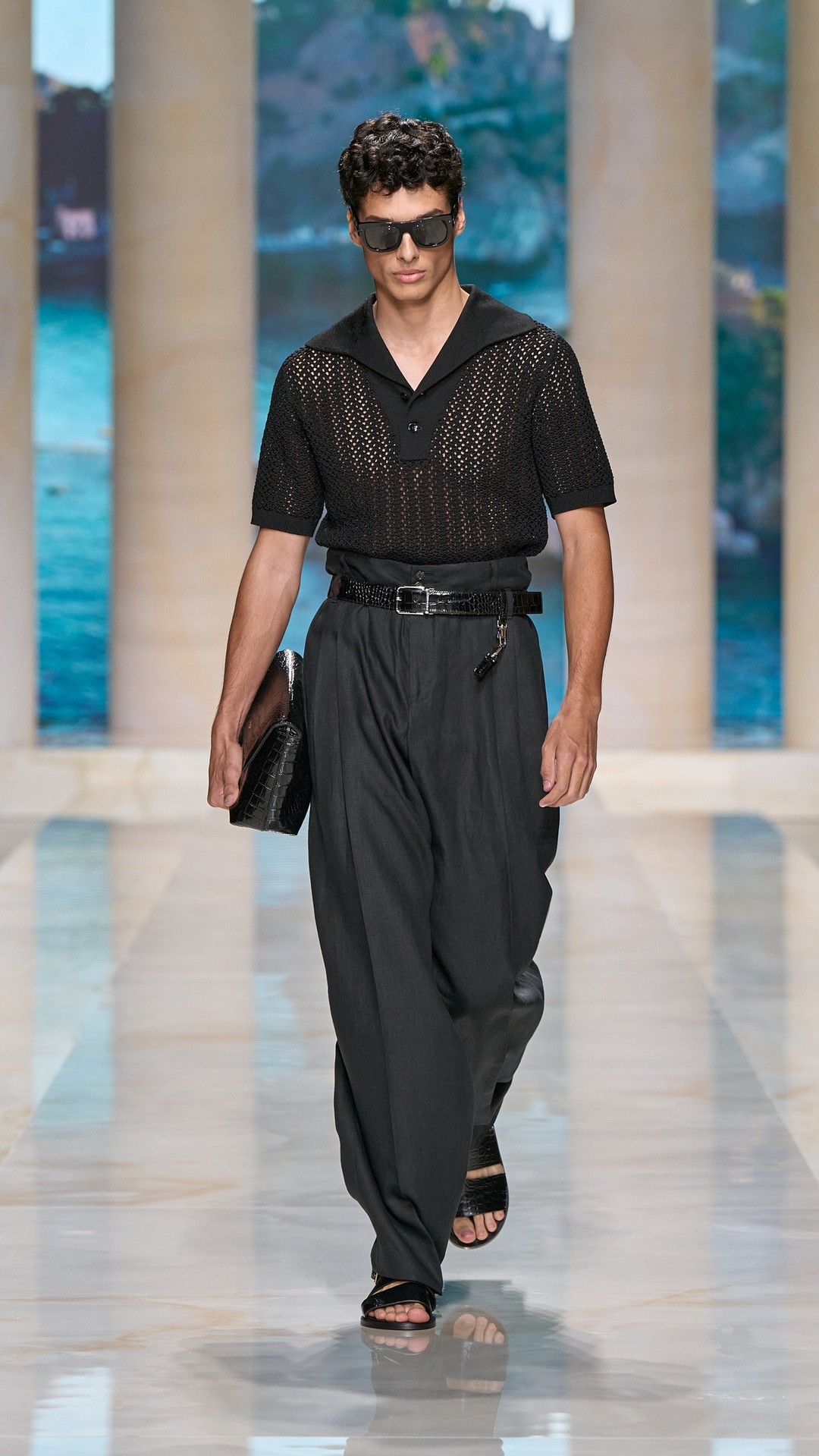
From Florence, the season moved to Milan, where menswear entered a different register. Milan is the city of construction, polish, and control. It knows the power of a jacket, the authority of a trouser, the seduction of beautiful fabric. But for Spring 2027, that discipline did not feel cold. It felt alive.
Ralph Lauren opened the Milan conversation with a vision of summer elegance rooted in collegiate ease, character, and American mythology. Across Polo Ralph Lauren and Purple Label, the wardrobe suggested a man moving between leisure and ceremony, between sport and refinement. It was not only about preppy codes; it was about the return of a confident, readable style — clothes that know exactly what world they belong to.
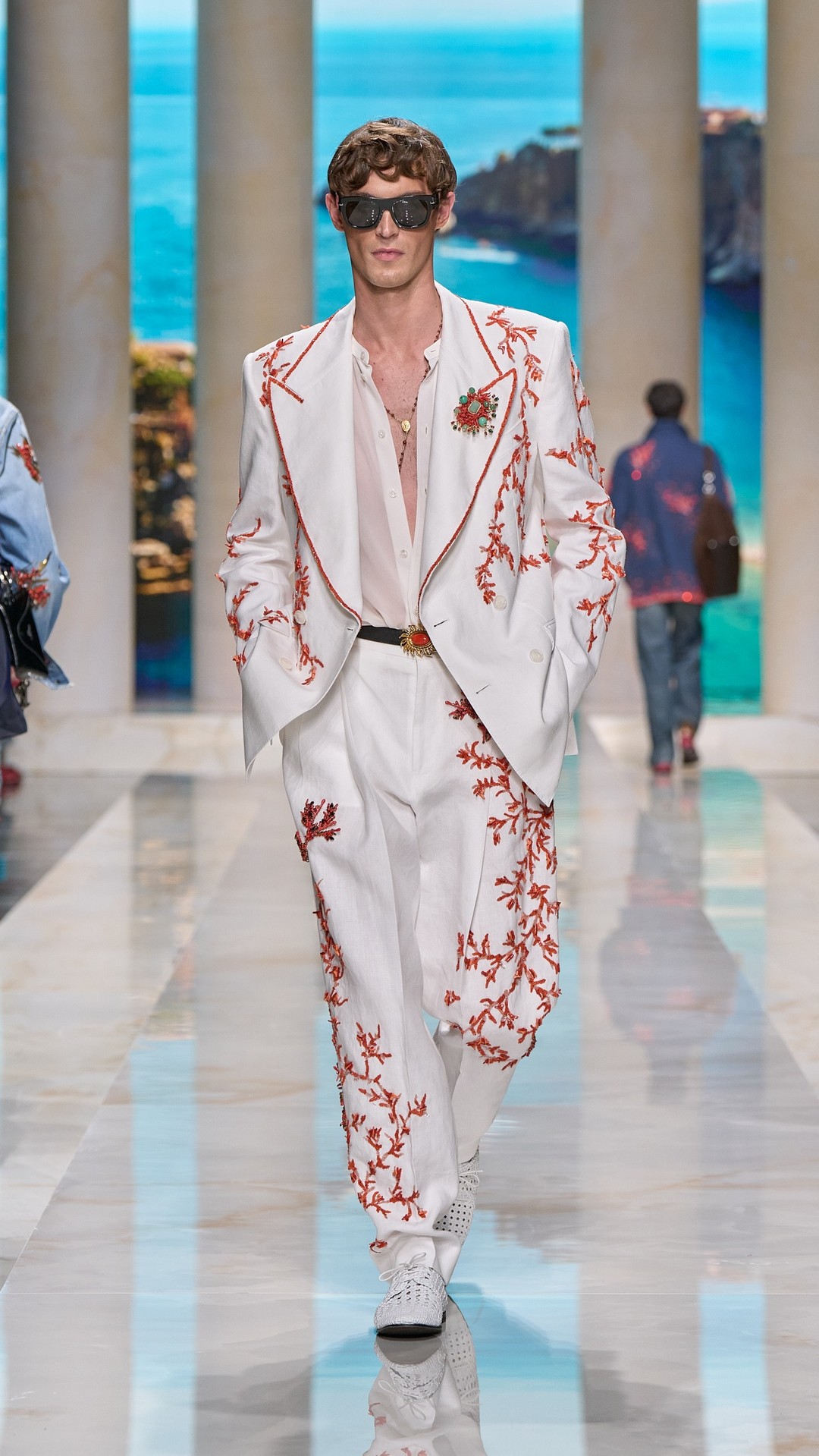
Dolce & Gabbana, by contrast, leaned into spectacle. Their Milan show embraced the house’s signature Mediterranean sensuality: body, heat, skin, denim, embellishment, religious imagery, and theatrical summer energy. In a season where menswear is becoming more expressive, Dolce & Gabbana did not whisper. It performed. The result was a reminder that men’s fashion can still be excessive, physical, provocative, and unapologetically visual.
Then came Prada, where Miuccia Prada and Raf Simons offered one of the season’s sharpest counterarguments to the oversized years. Their Spring 2027 menswear proposed a slimmer, more controlled silhouette — narrow trousers, cropped jackets, and a sense of reduction that felt almost severe after seasons of volume. If other brands were expanding the male wardrobe outward, Prada was tightening it, turning restraint into tension.
That tension matters. Prada’s menswear is rarely only about clothes. It is about the psychology of clothes: what happens when a familiar garment becomes strange again, when a jean, a jacket, or a shirt is stripped of ease and made exact. Spring 2027 at Prada suggested that the future of menswear may not be entirely loose, soft, or relaxed. It may also be precise, sharp, and slightly uncomfortable in the most interesting way.
Elsewhere in Milan, the calendar widened the conversation. Paul Smith returned to suiting with the authority of someone who understands that tailoring is not dead; it is simply being rediscovered by a younger generation. Brioni, Kiton, Canali, Corneliani, and Brunello Cucinelli kept the language of Italian elegance alive through fabric, proportion, and the quiet force of luxury. Thom Browne made his Milan menswear debut, bringing his rigorous, theatrical American imagination into the city’s tailoring ecosystem. Giorgio Armani, as always, reminded Milan that softness can be a discipline of its own.
What made Milan compelling was not one single trend, but the coexistence of many directions. There was sensuality at Dolce & Gabbana, reduction at Prada, heritage at Ralph Lauren, classicism at Brioni and Kiton, ease at Cucinelli, and theatrical structure at Thom Browne. Milan did not propose one man. It proposed a wardrobe of contradictions.

By the time the calendar reached Paris, menswear became more cinematic. Paris does not simply show clothes; it builds atmospheres. A runway there can feel like a film, a manifesto, or a private world briefly opened to the public. For Spring 2027, the city’s menswear conversation began with some of the most powerful houses in fashion: Saint Laurent, Louis Vuitton, and Dior Homme.
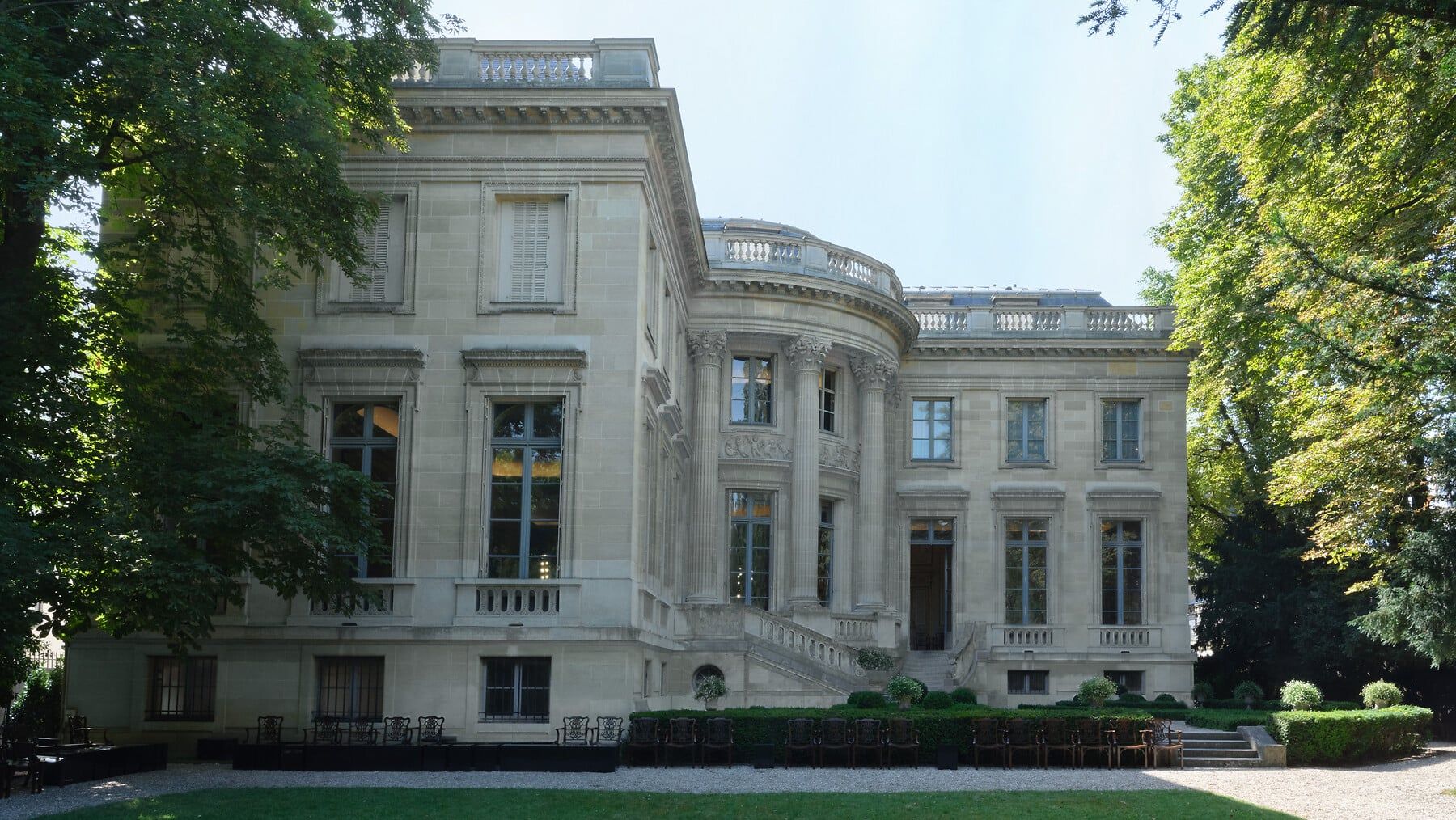
At Saint Laurent, Anthony Vaccarello continued to sharpen his vision of masculine glamour. The house brought its audience to the Bourse de Commerce, surrounding the clothes with celebrity, architecture, and the unmistakable aura of Parisian night. The collection played with suiting, metallics, transparency, and sleek drama — a version of menswear that understands desire as something controlled, dangerous, and beautifully lit.
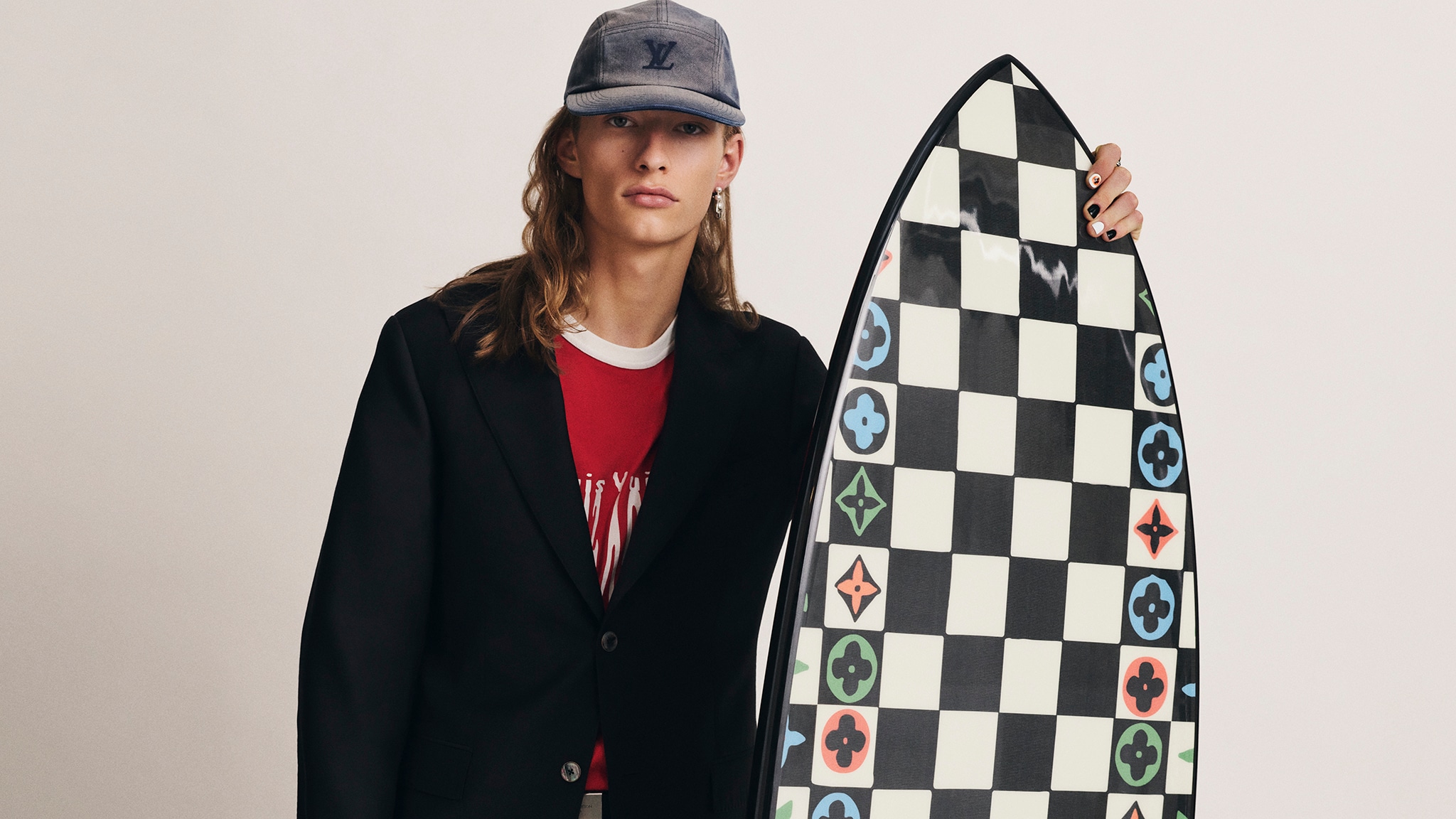
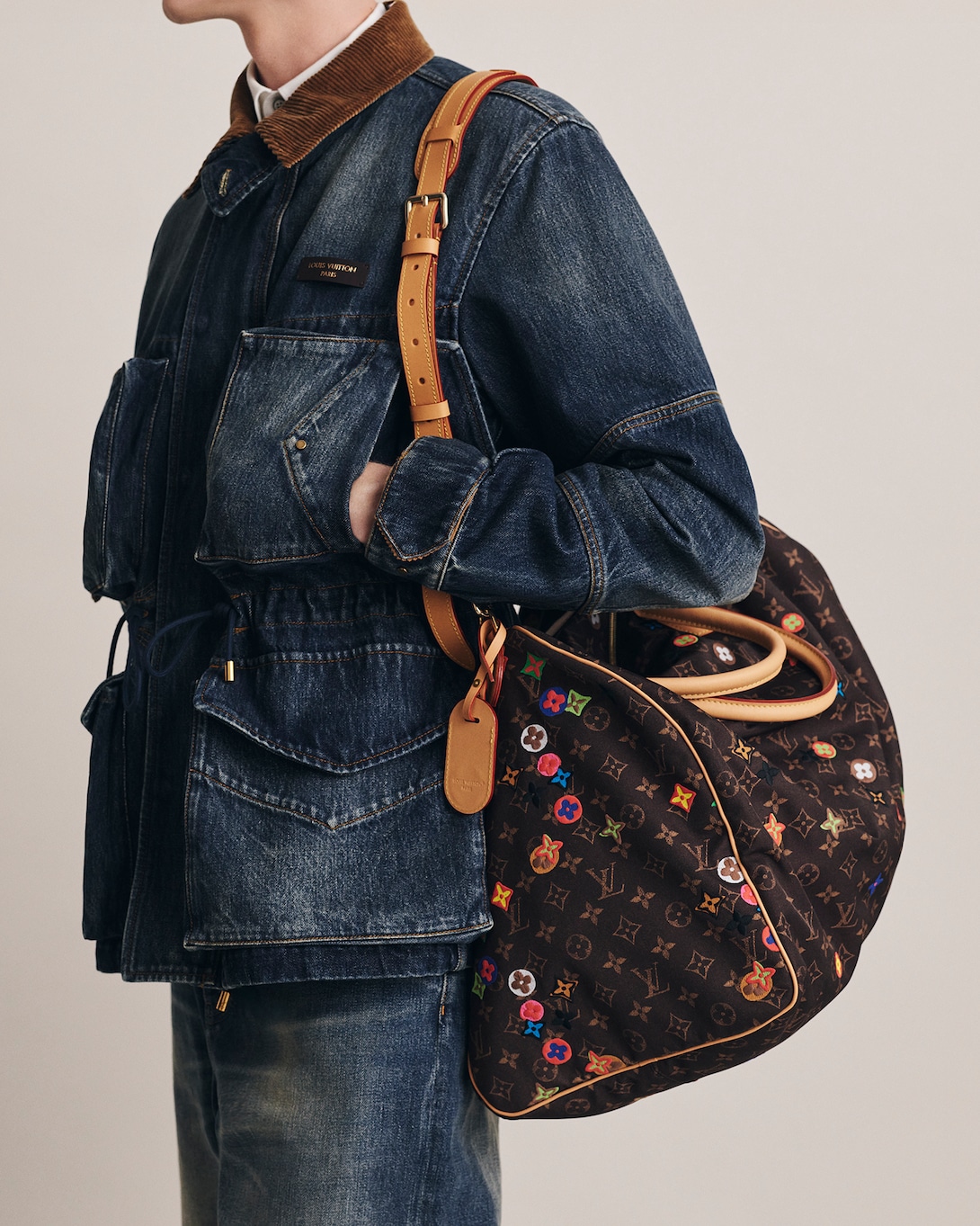
Louis Vuitton, under Pharrell Williams, continued to build a menswear universe where luxury is inseparable from culture. This season’s surf-inspired world mixed tailoring, sportswear, technical codes, workwear, monogram, embroidery, and spectacle. Pharrell’s Vuitton is not interested in quiet luxury in the old sense. It is interested in world-building — in turning a collection into an event, a set, a sound, a feeling, a fandom.
Dior Homme, now under Jonathan Anderson, offered one of the most closely watched statements of the Paris season. Anderson’s Dior is already becoming a study in tension: old-world elegance and youthful disarray, aristocracy and nightlife, tailoring and rave culture. The Spring 2027 collection moved between chiffon suits, ripped denim, metallic gestures, brooches, tuxedo language, and the mood of a young man who has not quite decided whether he is leaving the party or returning to it.
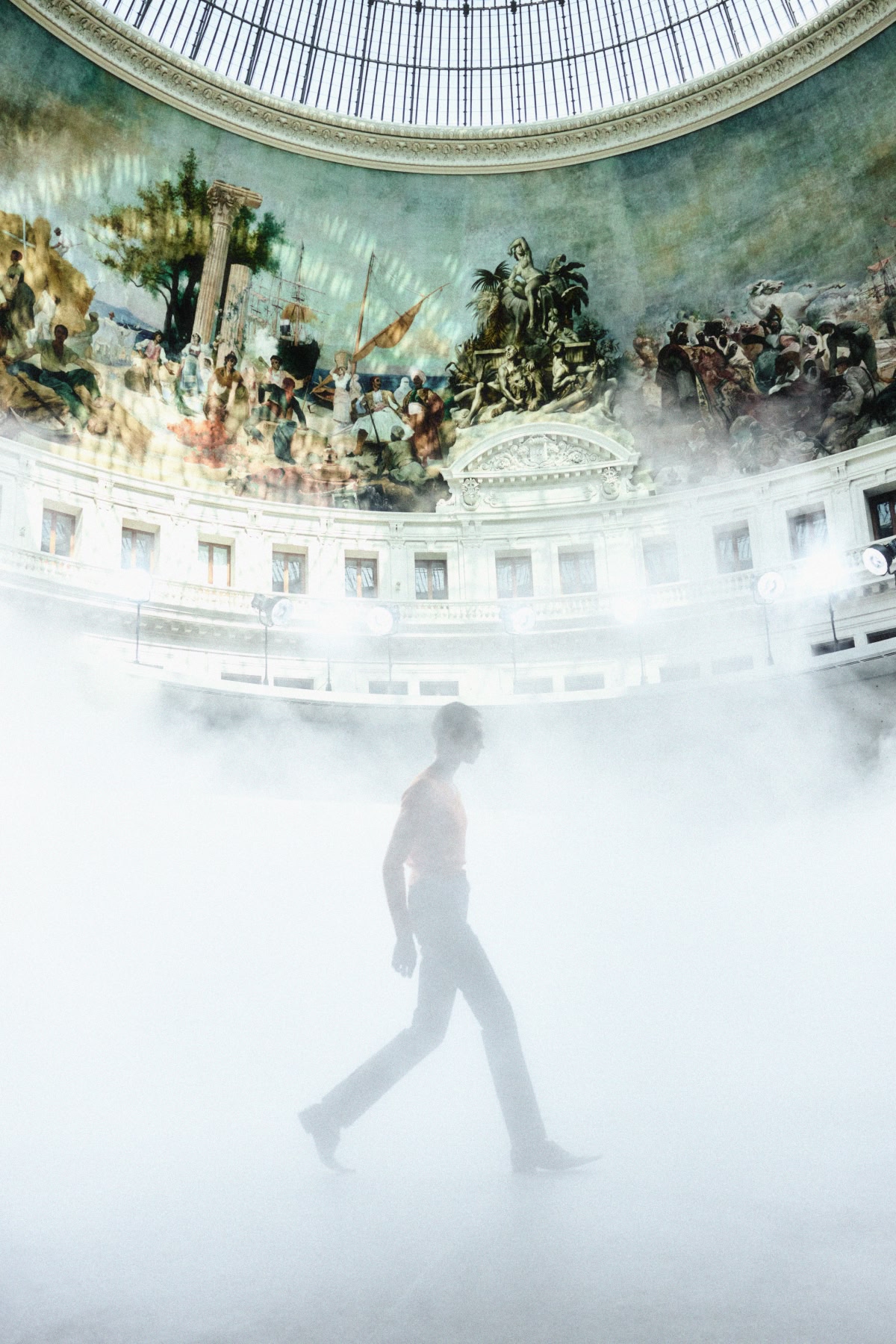
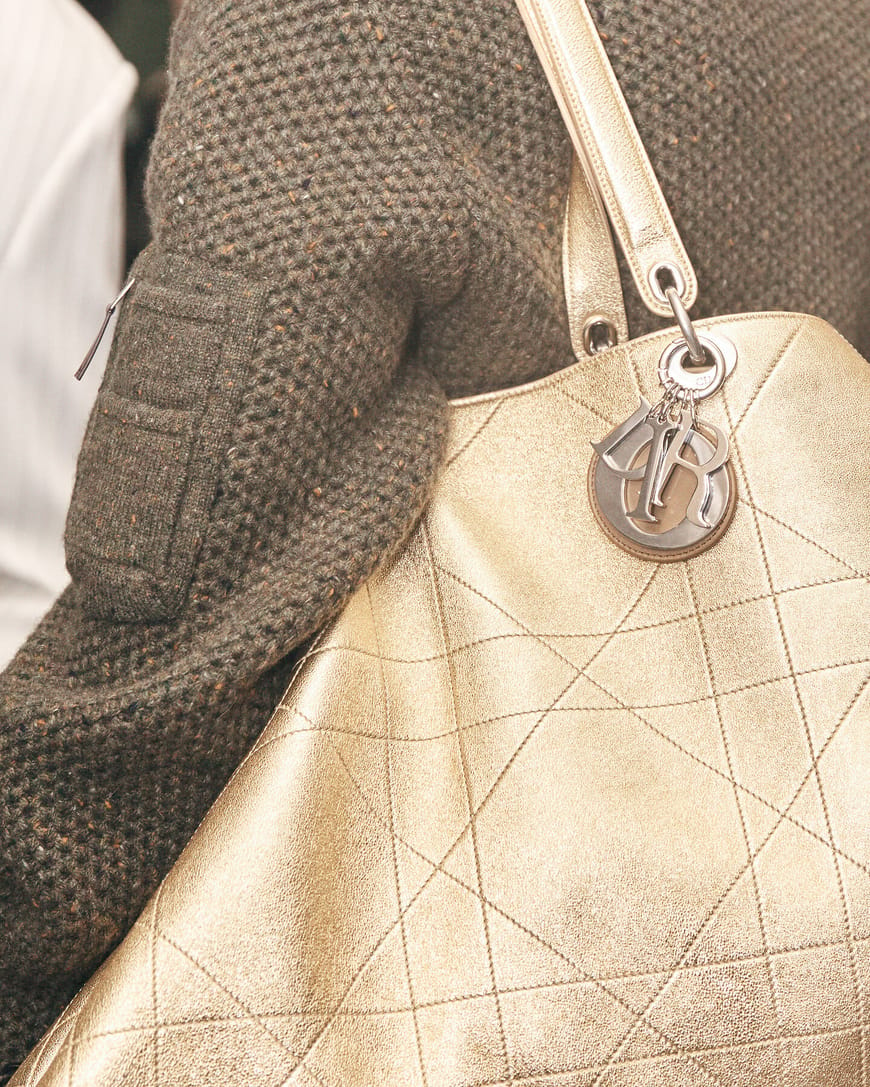
That contradiction is exactly what makes the season feel so alive. Dior was not offering a perfect gentleman. It was offering a character: dressed, undone, expensive, restless. A man with history behind him and music still playing somewhere nearby.
Paris also expanded the field through Rick Owens, Ami Paris, Dries Van Noten, Givenchy, Hermès, Celine, Auralee, Willy Chavarria, Kenzo, Berluti, and other houses shaping the city’s menswear language. Some approached the season through elegance. Others through distortion, ease, volume, tailoring, color, or emotion. But together, they confirmed one thing: menswear is no longer a smaller conversation beside womenswear. It is becoming one of fashion’s most revealing spaces.
The media conversation around Spring 2027 has noticed that shift. Vogue described the season as unusually expressive, pointing to accessories, color, styling, sarongs, brooches, scarves, anklets, and more playful gestures across brands like Ralph Lauren, Prada, Dries Van Noten, Auralee, Dior, and Givenchy. In other words, the old idea that men’s fashion must remain minimal to be elegant is losing power.
The accessory story is especially important. In the past, menswear often relied on a watch, a shoe, or a belt to communicate personality. Now, the detail is moving everywhere: around the ankle, across the chest, at the neck, on the lapel, through bags, scarves, jewelry, pins, and unexpected styling. The male wardrobe is becoming more decorative, but not less serious.

Color is also changing the temperature of the season. Spring 2027 has not abandoned neutrals, but it has interrupted them. Tangerine, blue, yellow, green, citrus tones, pale shades, sun-faded color, and sharp flashes of brightness have entered the menswear conversation with confidence. These colors do not feel like novelty. They feel like atmosphere.
And atmosphere may be the real word of the season.
Because Spring 2027 menswear is not only about silhouette. It is about how clothes create a mood around the body. A Prada skinny trouser creates tension. A Dior chiffon suit creates disarray. A Louis Vuitton surf look creates movement. A Ralph Lauren layered summer outfit creates character. A Simone Rocha ruffle creates tenderness. A Saint Laurent transparent top creates danger. A Cucinelli fabric creates calm. A Thom Browne proportion creates theatre.
Together, these gestures reveal a new emotional architecture for men’s style.
The modern man is no longer being asked to dress for one version of himself. He can be formal and sensual, romantic and athletic, minimal and theatrical, elegant and strange. He can wear tailoring without becoming corporate. He can wear softness without surrendering authority. He can wear decoration without irony. He can be polished and still look alive.
That is why this season matters. The Spring 2027 menswear shows are not simply forecasting what will appear in stores next year. They are revealing what luxury brands believe men are ready to become. Not just consumers of suits, sneakers, bags, and jackets, but characters inside a larger visual culture.
The runway gives the proposal. The street gives it movement. The front row gives it visibility. The creator economy gives it circulation. The audience gives it desire.
From Florence to Milan to Paris, the season has made one thing clear: menswear is no longer defined by restraint alone. It is defined by range. The gentleman, the romantic, the performer, the insider, the collector, the traveler, the minimalist, the maximalist, the young aristocrat, the beachside dreamer, the man in a perfect jacket, the man in a transparent shirt — they all belong to the same new wardrobe.

The old menswear question was: what should a man wear?
Spring 2027 asks something more interesting: who does he want to become when he gets dressed?
And right now, across the world’s fashion capitals, the answer looks freer, sharper, softer, stranger, and far more desirable than before.