There was a time when shopping belonged to stores, magazines, and the quiet authority of department buyers. Then came the age of influencers, affiliate links, and social commerce — a world where taste no longer lives only inside glossy pages, but in the hands of creators with cameras, closets, and highly specific points of view.
At the center of this transformation is ShopMy, the creator-commerce platform helping build what could be called the new architecture of influence: a system where taste, trust, visibility, and shopping are no longer separate forces, but connected parts of the same digital structure.
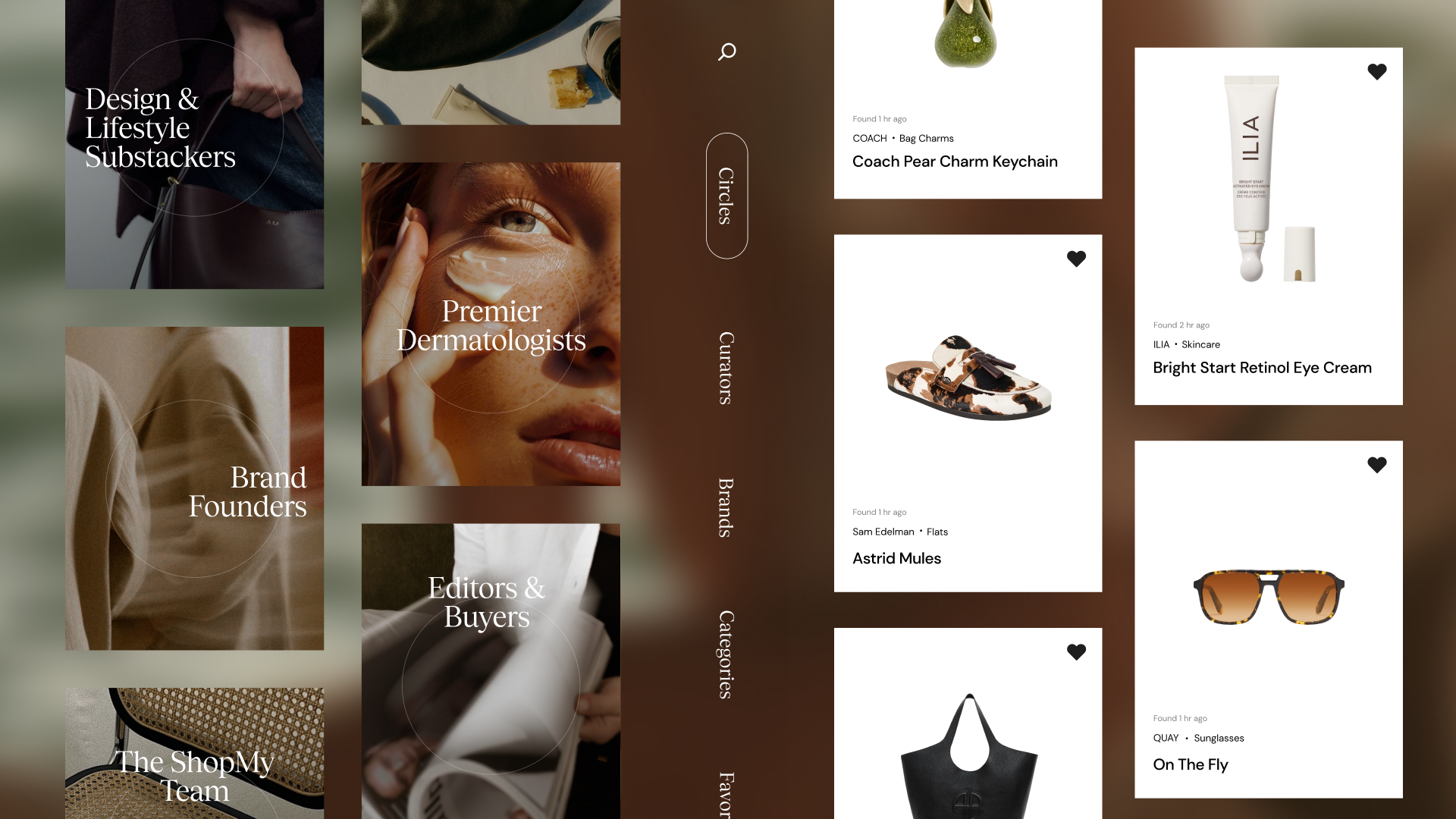
Founded in 2020, ShopMy connects creators with brands, allowing tastemakers to curate products, share recommendations, and earn commissions when their audiences shop through their links. The platform says creators can choose from more than 50,000 brand partners and monetize their recommendations through automatically updated shopping links.
But ShopMy is not simply another affiliate-link tool. Its power lies in the way it reframes shopping as curation. In a digital landscape dominated by algorithms, ShopMy is built around a more intimate idea: people still want to shop through people they trust.

That distinction matters. A traditional ad tells you what to buy. A creator tells you what they use, what they love, what they would wear, what they would place in their home, what they would pack for a weekend in Paris, or what they would actually repurchase after the campaign ends. ShopMy turns that personal instinct into infrastructure.
In many ways, this is the new architecture of influence: not a single campaign, not a single post, not a single product link, but a living ecosystem where personal style becomes searchable, shoppable, and commercially powerful.
For luxury, beauty, and fashion brands, ShopMy signals a broader change: creators are no longer sitting at the edge of the retail system. They are becoming part of the system itself. Their recommendations move across Instagram stories, newsletters, TikTok videos, shopping edits, curated shelves, and personal storefronts, creating a new map of how desire travels online.
ShopMy’s creator universe is vast, stretching from niche tastemakers to recognizable names in fashion and culture. Its world includes creators, editors, stylists, founders, beauty experts, lifestyle figures, and digital tastemakers who understand that influence today is not only about being seen. It is about being trusted.
This is why the platform feels so relevant now. ShopMy gives shape to something that already existed in culture: the way people rely on certain voices to edit the endless internet for them. In a world overflowing with products, the most valuable luxury may no longer be access. It may be selection.
The creator, once seen as the final layer of marketing, has become a structural part of the shopping journey. They introduce the product, explain the context, style the fantasy, and offer the link. The influence is emotional, but the architecture is practical.

For emerging creators, the platform offers something especially valuable: a professional bridge between content and commerce. Instead of waiting for a brand to offer a paid campaign, a creator can begin monetizing their taste through links, storefronts, and curated recommendations.
For brands, the appeal is equally clear. ShopMy provides access to creators who are already speaking to audiences with purchasing intent. It allows fashion and beauty companies to enter conversations that feel personal rather than purely promotional.

The rise of ShopMy also says something about the future of luxury marketing. The most powerful recommendation may no longer come from a billboard, a magazine spread, or a traditional campaign alone. It may come from a creator’s casual sentence: “This is the bag I actually use,” “This is the moisturizer I keep repurchasing,” “This is the dress that made the night.”
That intimacy is difficult to manufacture. It is also the reason creator commerce has become so valuable. ShopMy understands that modern consumers do not only want products. They want context. They want taste. They want the feeling that someone with a distinct eye has already edited the endless internet for them.
In many ways, ShopMy is not replacing the fashion magazine. It is translating one of its oldest powers — curation — into a digital, creator-led economy. The platform has turned recommendations into storefronts, influence into infrastructure, and creators into the new generation of retail editors.
And perhaps that is the clearest expression of the new architecture of influence: a world where taste is no longer just admired from a distance, but organized, monetized, and made instantly shoppable.
Because in the world ShopMy is building, influence is no longer only about attention.
It is about structure.